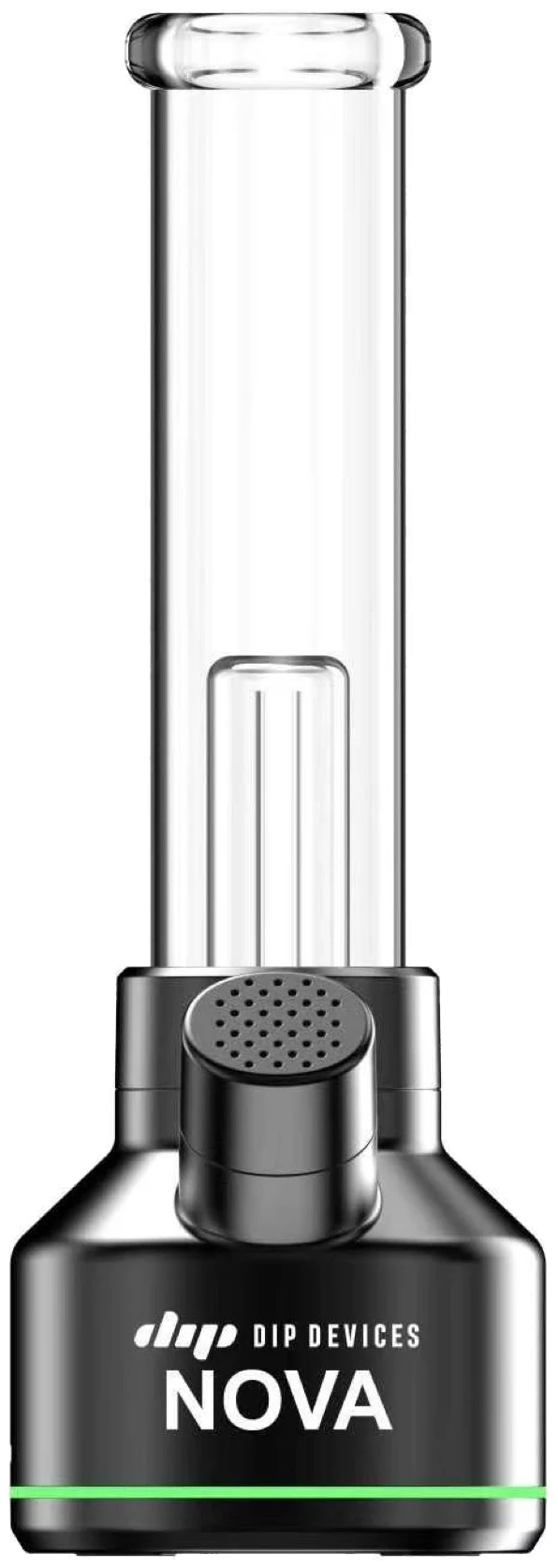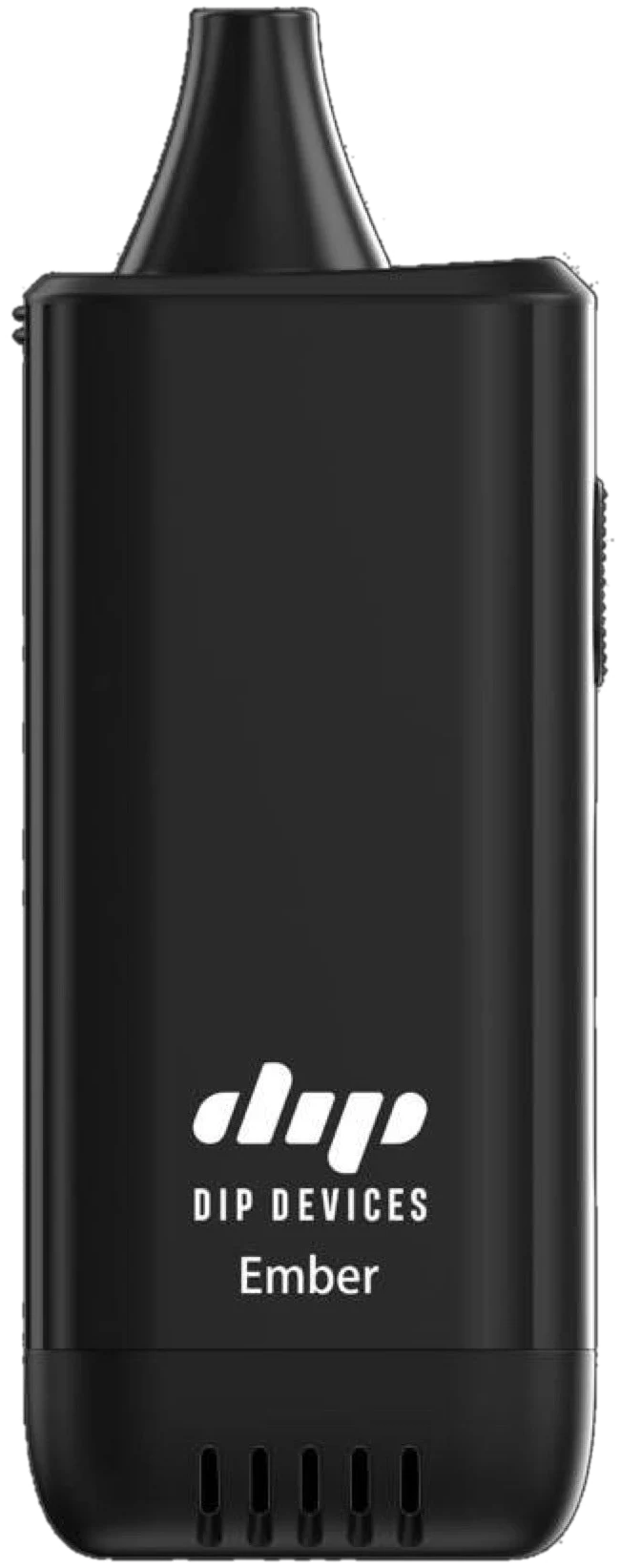
The Eburn device is windproof and waterproof for one simple reason: there's no flame. With no open flame, there's nothing for wind to blow out and nothing for water to extinguish. Every flame-based tool — lighters, torches, matches — shares the same point of failure. Remove the flame and you remove the failure. That's why a flameless electric combustion device keeps working on a boat, on an exposed ridge, at a windy campsite, and in the cold, where a lighter simply quits.
The problem with flame
A flame is heat that lives out in the open air, and that's precisely what makes it fragile. Three things reliably defeat it:
- Wind. Moving air strips heat and oxygen away from a flame and snuffs it. The stronger the gust, the faster it goes out — and outdoors, the wind never really stops.
- Water. Rain, spray, splashes, humidity. A wet wick or a wet flint won't catch, and a flame meeting water is a flame that's already out.
- Cold. Butane vaporizes poorly when it's cold, so a fuel lighter that worked fine in summer can refuse to light on a winter morning or at altitude.
None of these are user error. They're inherent to having an exposed flame at all. So instead of fighting them, the Eburn device gets rid of the flame.
How flameless solves it
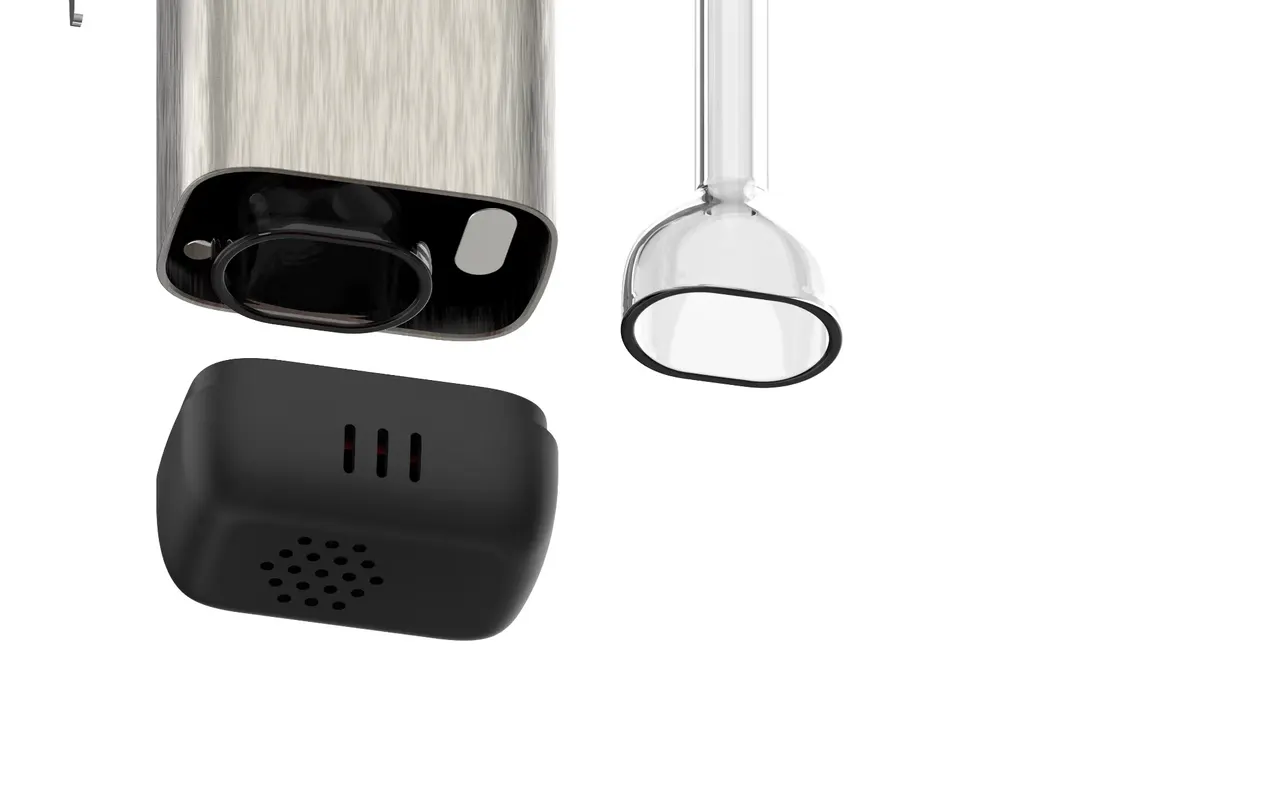
The Eburn device makes its heat with an igniter coil powered by a rechargeable battery, not by burning fuel in the open air. (The full mechanism is on how the Eburn device works.) Because the heat source is electric and the coil is held inside the device body, the weather has nothing to attack:
- Windproof: there's no flame for a gust to blow out, so wind is irrelevant to whether it functions.
- Waterproof: the device body is sealed against rain, spray and splashes, so getting wet doesn't stop it the way a wet lighter would.
- Cold-ready: there's no butane to vaporize, so cold temperatures don't sabotage ignition — the battery and element do the work.
This is a factual description of the mechanism, not a stretch. The claim is "no open flame, sealed body," which is literally what the device is.
Where a flameless device earns its keep
On the water (boating, kayaking, fishing)
Open water is the toughest test there is: constant wind across the deck plus spray off the bow. It's where lighters fail most often. A flameless, waterproof device shrugs off both — splashes and gusts that would snuff a flame don't interrupt an igniter coil.
Hiking and backpacking
On an exposed ridgeline or a high pass, the wind is relentless and there's no windbreak. A device that doesn't rely on a flame doesn't care which way the wind is blowing. And because it recharges over USB-C, a small power bank keeps it going for a multi-day trip — no fuel to pack or run out of.
Camping
Campsites are gusty, often damp, and frequently cold after dark. A flameless device removes the routine frustration of cupping your hands around a flame that keeps dying. It just works.
Skiing and cold weather
Cold is where fuel lighters are at their worst. The Eburn device's electric element isn't temperature-sensitive the way butane is, so a frigid day on the mountain doesn't stop it.
Off-grid
When you're far from a store, "windproof and waterproof" also means "one less thing to fail." There's no fuel to ration — only a battery you can top up from any USB-C source.
The honest fine print
Windproof and waterproof describe how the device resists the conditions that defeat a flame; they are properties of this specific design — an igniter coil and a sealed housing — not a claim that it's indestructible. To be precise about what that means: the body is sealed against rain, spray and splashes, and there is no flame for weather to put out. It is not a submersible device, and we don't publish an IP rating for it — so don't soak it or take it underwater. Within that, it's built to keep working where a lighter simply won't. See the full specifications for the hardware detail.
Windproof & waterproof FAQ
Is the Eburn device really windproof?
Yes — because it uses an igniter coil instead of an open flame, there is no flame for wind to blow out. Wind doesn't affect whether the coil heats.
Is it really waterproof?
The body is sealed to resist rain, spray and splashes, and with no flame there's nothing for water to extinguish — so rain, a wet deck or spray off the bow won't stop it the way they'd kill a lighter. Be clear on the limit though: it isn't a submersible device and we don't publish an IP rating, so don't soak it or take it under.
Will it work in the cold?
Yes. There's no butane to vaporize, so cold temperatures don't prevent the igniter coil from reaching operating temperature the way they can stop a fuel lighter.
Why does removing the flame matter so much outdoors?
Because the flame is the part that fails. Wind, water and cold all act on an open flame. With no flame, those conditions have nothing to act on, so the device keeps working.
Built for the boat, the trail and the mountain. See where to buy the Eburn device. Intended for adults of legal age (21+).