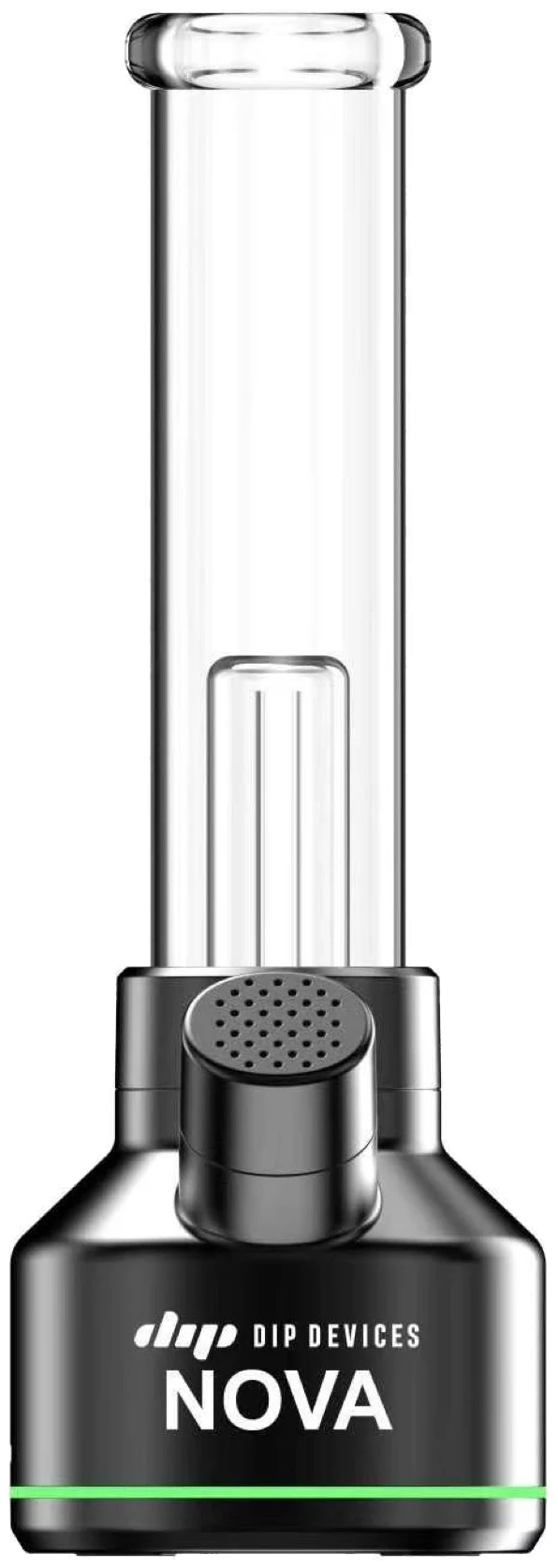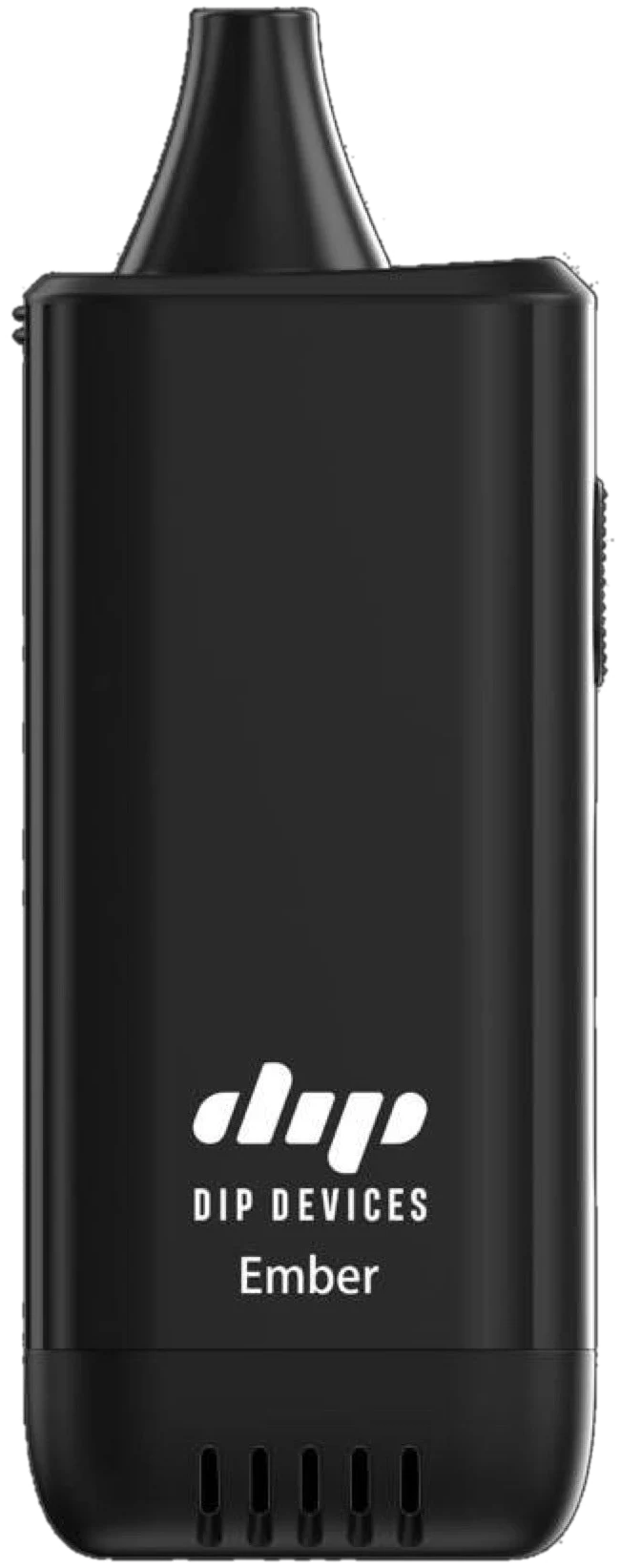
The Eburn device works by replacing the flame with an igniter coil. Press the button, the coil rapidly reaches combustion temperature, and the material you've loaded combusts — with no open flame anywhere in the process. That single design change is what lets the device do its job in wind, water and cold that would defeat a lighter. This page walks through the mechanism, step by step, with no fuel and no spark involved.
The core idea: an element instead of a flame
A conventional lighter or torch produces heat by burning fuel — butane, lighter fluid, a wick. That open flame is exposed to the air, which is exactly why a breeze can blow it out and a splash can drown it. The Eburn device takes a different route. It carries a rechargeable battery and an igniter coil. When you trigger it, electrical current runs through the coil and it heats up — the same principle that makes the coil in a toaster or an electric stovetop glow. The coil delivers the heat that a flame used to, but it lives inside the device, shielded from the weather.
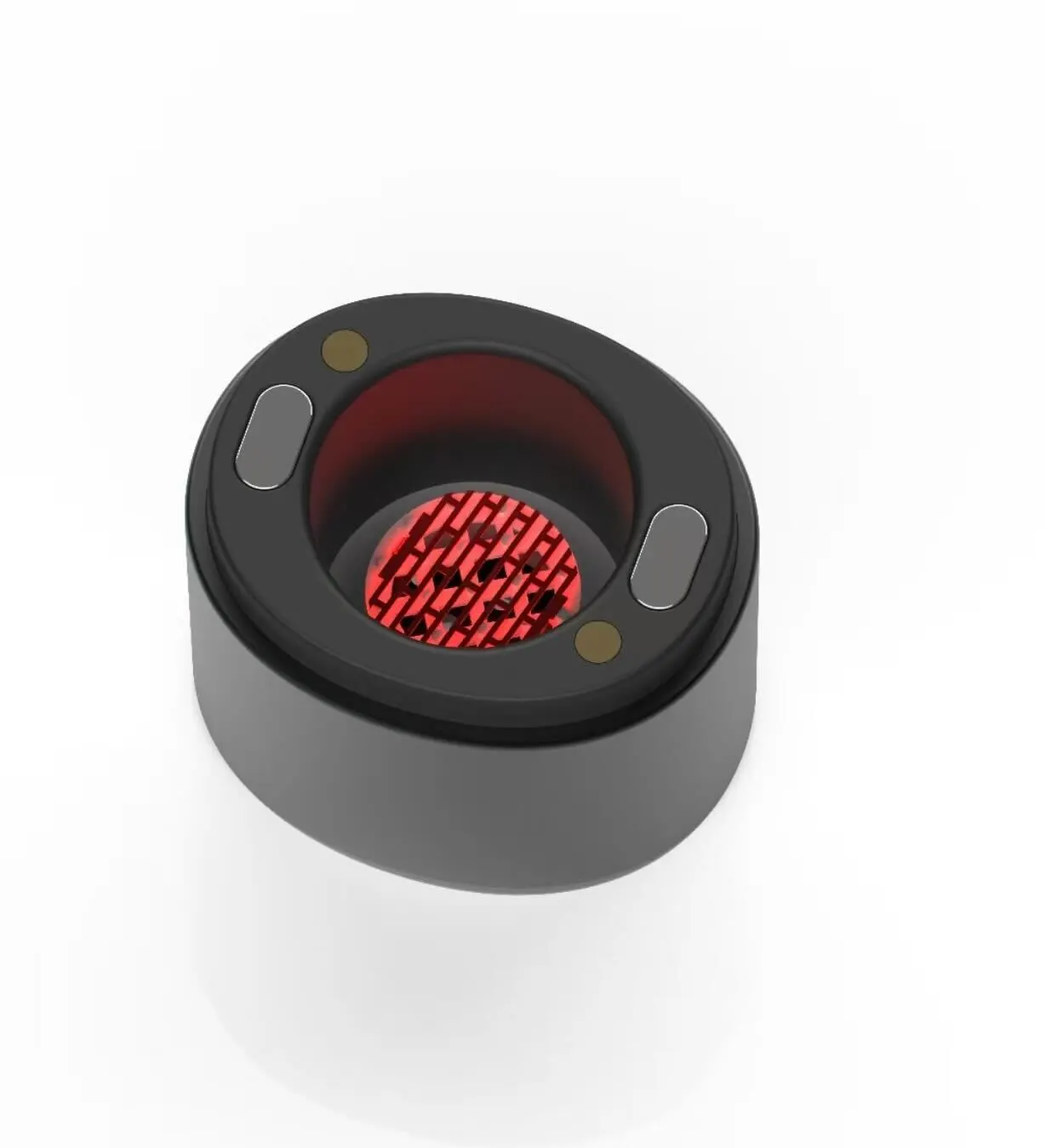
The igniter coil
That element has a name: the igniter coil. It is a resistive coil under the chamber, wired to the battery through a pair of contacts, and its only job is to cross the ignition point of whatever dry material you've loaded — which is why it's called an igniter rather than a heater. It is the same part in both Eburn devices: the handheld carries it in a cap at the top of the body, the tabletop in the powered base. And because it is the one component that does the hot work, it is the wear part. Residue builds on it with use; the included tool keeps it clear. When a coil eventually slows to glow or fires unevenly, it is a drop-in swap — the igniter coil is sold separately as a replacement part, so you replace the coil, not the device.
Step by step
- Charge it. The Eburn device charges over USB-C. A full charge stores enough energy for repeated sessions, so there's no fuel to buy or refill.
- Load your material. You supply the dry botanical material of your choice and place it in the heating chamber. The device ships empty; what goes in is yours to provide.
- Press the button. Pressing the activation button sends current to the igniter coil. The coil climbs to combustion temperature within seconds — fast enough to feel instant, controlled enough to be repeatable.
- The coil reaches combustion temperature. Rather than holding a flame against the material, the hot coil brings the loaded material itself up past the point of combustion directly. There is no flame in the chamber — just the glowing coil doing the work.
- Release and reuse. Let go of the button and the coil cools. The battery is ready for the next press, and recharges from any USB-C source when it finally runs low.
Why "no flame" is more than a slogan
It's worth being precise about what "flameless" means here, because it's the literal mechanism, not a figure of speech. There is no combustion of fuel to create an exposed flame, and there is no spark. The only heat source is the igniter coil, and it is powered by the internal battery. Because that element is energized electrically and partially enclosed by the device body, the things that kill a flame — moving air, water, cold — have nothing to act on. You can read the full explanation of that advantage on windproof and waterproof by design.
Consistent, controllable heat
A flame is only as steady as the hand and the conditions around it. Wind makes it flicker; angle changes how it lands; a low lighter sputters. An igniter coil behaves differently: each press delivers the same electrically driven heat, so the result is even and repeatable rather than dependent on technique. That consistency is one of the practical reasons people prefer an electric combustion device over a flame once they've tried one — it does the same thing every time.
Instant heat, on demand
There's also nothing to wait for. The coil reaches combustion temperature in seconds, so the device is ready the instant you press — no fuel to prime, no warm-up, no reaching temperature before it works. Press and it's hot; release and it stops. That on-demand readiness is part of what makes it practical in the field: you don't plan around it, you just use it the moment you need it.
What you supply, what the device supplies
The Eburn device supplies the hardware: the battery, the coil, the housing, the button, the charging port. You supply the material — any dry botanical material you choose to use, within your local laws and your own responsibility. The device is substance-agnostic by design; think of it as the heat source, like a windproof lighter, rather than anything tied to a particular material. It is intended for adults of legal age, 21+.
Igniter coil FAQ
What is an igniter coil?
The igniter coil is the electric heating element inside the Eburn device — the coil under the chamber that glows to combustion temperature at the press of a button and does the job a flame used to. It's called an igniter because crossing the ignition point is its entire purpose.
Can the igniter coil be replaced?
Yes. It's a drop-in part sold separately for both the handheld and the tabletop ($14.99 MSRP each). Let the device cool, remove the old coil, seat the new one on its contacts. No tools.
How do I look after the igniter coil?
Keep it clear of residue with the included tool, let it cool before cleaning or storing, and never soak it. A clean coil reaches temperature evenly; a coated one runs slow and lights one side first.
Want the hardware details?
For battery capacity, charging, materials, what's in the box and care instructions, see the full device specifications. Common questions — about charging, durability and the flameless/windproof claims — are answered on the device FAQ.
Ready to try a flameless electric combustion device? See where to buy. Intended for adults of legal age (21+).